

Prestige Nursing & Care has supported people with respiratory and airway needs in their own homes for over 80 years. Our carers are trained to work confidently alongside oxygen equipment, and they are overseen by registered nurses who monitor standards and keep care aligned with the wider healthcare team.
What is oxygen therapy?
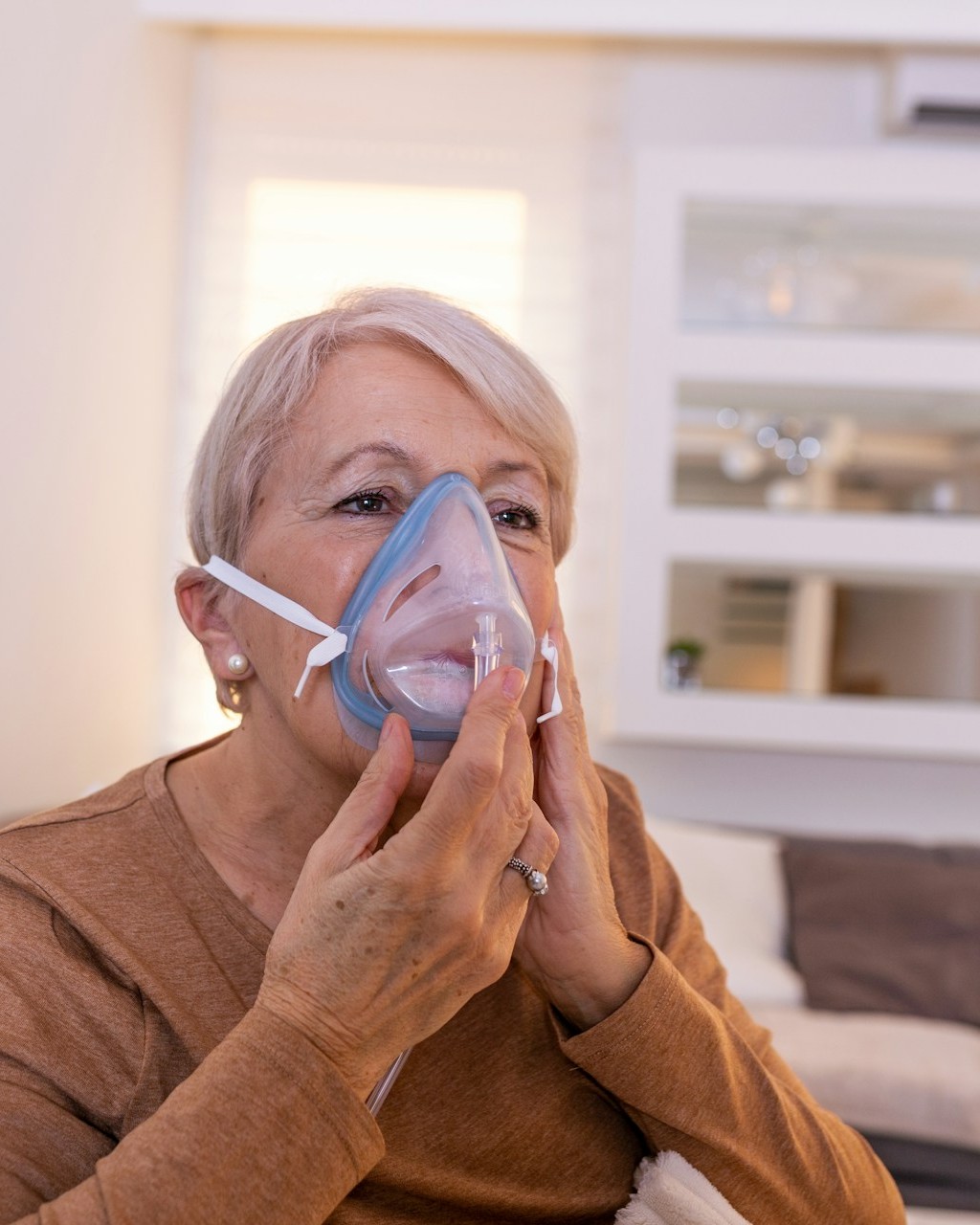
Oxygen therapy means breathing air with a higher concentration of oxygen than normal room air, usually through a nasal cannula or a mask. It is prescribed by a healthcare professional for people whose blood oxygen levels are persistently low.
One point is often misunderstood. Oxygen therapy is prescribed for low blood oxygen levels rather than for breathlessness on its own. Many people who feel breathless will not benefit from supplemental oxygen, and their specialist team will explain why.
The therapy is usually prescribed in one of several forms:
- Long-term oxygen therapy (LTOT): Used for at least 15 hours a day, including overnight
- Ambulatory oxygen: Portable cylinders or concentrators for use while out and about
- Nocturnal oxygen: Used only during sleep
- Palliative oxygen: To support comfort in end-of-life care
Your prescribing team decides which is appropriate, along with the flow rate and the number of hours. Some other forms of oxygen are used only in specific circumstances, and your specialist will explain whether they apply to you.

How oxygen therapy is arranged
Oxygen is prescribed and supplied through the NHS, not through us. Understanding the route can make the process feel less daunting. Your oxygen levels are first checked with a pulse oximeter, a small device clipped to a fingertip. If levels are low, you will be referred for a home oxygen assessment, which usually involves blood gas tests taken on two occasions a few weeks apart while your condition is stable.
If oxygen is appropriate, your clinician completes a Home Oxygen Order Form (HOOF) and you sign a consent form allowing your details to be shared. One of the regional NHS oxygen suppliers will then contact you, deliver the equipment, install it and show you how it works. They also provide a 24-hour contact number for equipment problems.
Our role sits alongside this, not in place of it. We do not prescribe oxygen, supply equipment or adjust your prescribed flow rate. What we do is help you live with the therapy day to day, and make sure anything that changes reaches the people who need to know.
How our carers can support you at home
Support is shaped around your prescription, your routines and how much help you want. It may include:
- Oxygen delivery and monitoring
Our carers are trained to support oxygen delivery and monitoring as delegated healthcare tasks, under the supervision of a registered nurse and within your agreed care plan.
- Supporting a safe home environment
Oxygen is a fire risk. Carers can help keep the home set up safely around your oxygen, and flag anything that needs attention.
- Noticing and communicating changes
By getting to know you, a carer may notice changes in breathing, energy levels or how well you tolerate the therapy, and can communicate concerns to the appropriate professional through your care plan.
- Supporting family carers
Living alongside someone’s oxygen therapy carries its own weight. Respite care gives family members a genuine break, knowing the routine continues properly.
- Keeping supplies on track
Portable cylinders need reordering with at least one working day’s supply remaining. Our carers can help you monitor levels and contact your supplier before you run short.
- Making the rest of the day work
Oxygen therapy sits within a whole life. Our carers also support personal care, mobility, medication routines, meals and companionship.
- Helping you keep going out
Ambulatory oxygen exists so that life can carry on beyond the front door. Carers can support you to use portable equipment with confidence, whether that is a trip to a café, a family visit or a walk somewhere familiar.
Nurse-led oversight you can rely on
Our service is nurse-led. Carers supporting oxygen therapy are trained in the specific clinical skills their role requires, and a dedicated registered nurse carries out regular competency assessments alongside clinical monitoring, supervision and support.
With that oversight in place, our carers can undertake a range of delegated healthcare tasks in the home, including respiratory and airway support such as oxygen delivery and suctioning, tracheostomy management, cough assist in partnership with physiotherapists, and both invasive and non-invasive ventilation.
Care planning starts with a comprehensive assessment carried out by a registered nurse local to you, either at home or on the ward if you are awaiting discharge. We coordinate with your GP, respiratory team, community nurses and oxygen supplier so that everyone is working from the same picture.
Living well alongside oxygen therapy
Research into oxygen therapy consistently finds that people use their oxygen for fewer hours than prescribed, and the reasons are rarely clinical. Tubing feels awkward. Equipment is uncomfortable. People feel self-conscious in front of visitors, or reluctant to be seen out with a cylinder.
Left unaddressed, that quietly narrows a life, and the support that helps most tends to come from people who are there regularly, not from a single set of instructions at the point of delivery.
A carer who knows you well can help with the practical side, such as routing tubing safely, planning an outing around cylinder duration, and building the therapy into a normal day. They can also help with the parts that are harder to name. Confidence tends to grow through familiarity, which is one reason a consistent care team matters so much here.
Why choose Prestige Nursing & Care
Ways we can provide support
Support can be arranged as hourly or visiting care, respite care, live-in care or 24-hour care, depending on how much help you need and when.