

Convalescent care at home provides practical, personalised support during this period of recovery. At Prestige Nursing & Care, we tailor care around what you can currently manage, where you need additional help and what you would like to work towards. The aim is to make everyday life safer and more manageable while helping you regain confidence and independence at your own pace.

What is convalescent care?
Convalescent care is temporary support for someone recovering from an illness, operation, injury or other change in health.
Rather than moving elsewhere to receive everyday care, support can be provided in your own home, where you can recover in familiar surroundings and maintain your usual routines as far as possible.
Depending on your needs, convalescent care may include:
- Washing, dressing and personal care
- Getting safely around the home
- Preparing meals and drinks
- Medication support
- Shopping and household tasks
- Attending appointments
- Following agreed recovery routines
- Companionship and reassurance
- Gradually returning to everyday activities
Support can be reviewed as your recovery progresses, helping you receive assistance where necessary without taking over tasks you can safely manage yourself.
Who may benefit from convalescent care?
Convalescent care can be helpful when a temporary change in health makes everyday life more difficult than usual.
You may benefit if you are:
- Recovering after an operation
- Regaining strength following illness
- Recovering after a fall or injury
- Experiencing temporarily reduced mobility
- Returning home after a hospital stay
- Receiving rehabilitation or therapy and need practical support between appointments
Living alone and would value additional reassurance while recovering
Every recovery is different. Some people need a small amount of help for a short period, while others require more regular support before they feel confident managing independently again.

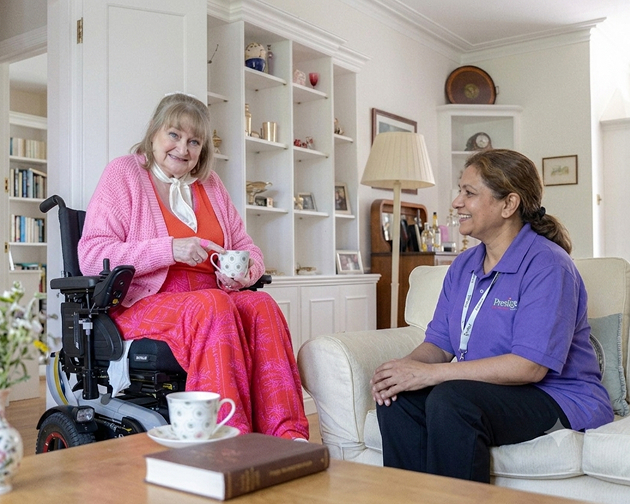
Recovery at home, at your own pace
Recovery is not only physical. An illness, operation or fall can also affect confidence.
Activities that once felt straightforward, such as showering, preparing a meal, climbing stairs or going outside, may initially feel more challenging.
Our carers provide practical assistance while encouraging you to remain involved in the activities you can safely manage yourself.
This could mean helping with ingredients while you prepare part of your meal, providing reassurance while you move around the home or accompanying you on your first trips outside.
Small steps can help rebuild confidence and routine without putting unnecessary pressure on your recovery.
What does convalescent care include?
Your care will be based on an individual assessment and the areas where you currently need support.
- Personal care
Carers can provide discreet assistance with washing, bathing, dressing, grooming, toileting and continence care while respecting your privacy and independence.
- Mobility and getting around safely
If your strength, balance or movement has been affected, a carer can provide appropriate assistance around the home and with mobility equipment included in your care plan.
Where a physiotherapist, occupational therapist or another professional has provided guidance, carers can help you follow agreed routines within the scope of your care plan.
- Medication support
Depending on your assessed needs, carers can provide appropriate medication support, from reminders through to administration where this has been agreed as part of your care plan.
- Meals and hydration
A carer can help with shopping, meal planning and preparing food and drinks based on your preferences and any guidance provided by healthcare professionals.
- Household help
Care can include light cleaning, laundry, changing bedding, shopping and collecting prescriptions, helping you conserve energy while you recuperate.
- Companionship and appointments
Recovering at home can sometimes feel isolating. Alongside practical support, carers provide companionship and reassurance and can help you stay connected with family, friends and your community.
As your confidence improves, support can also include attending appointments, visiting the shops or gradually returning to your usual activities.
Convalescent care after surgery, illness or injury
It is common to need additional help during the early stages of recovery from an operation.
Pain, tiredness, restricted movement or medical advice about certain activities can make everyday tasks more difficult. Temporary care can provide assistance with personal care, meals, medication, mobility and household routines while you recover.
Where a hospital or therapy team has provided a recovery plan, this can be taken into account when planning your care.
Convalescent support can also be valuable after an illness that has left you feeling weaker than usual, even if you were not admitted to hospital.
Similarly, a fall or injury can affect both mobility and confidence. A carer can provide practical support and reassurance while following any relevant safety or mobility guidance provided by your healthcare professionals.


Working alongside healthcare professionals
Convalescent care does not replace medical treatment, nursing care, physiotherapy or occupational therapy.
Instead, carers provide practical day-to-day assistance that can help you manage between appointments and follow agreed guidance from the professionals involved in your recovery.
With your agreement, this may include working alongside:
- GPs
- Community nurses
- Physiotherapists
- Occupational therapists
- Hospital discharge teams
- Pharmacists
- Other healthcare professionals
NICE guidance on intermediate care and reablement similarly emphasises coordinated, person-centred support and communication between the people involved in helping someone regain independence.
Supporting your recovery goals
Recovery means different things to different people. Your priorities might include preparing your own breakfast, getting dressed independently, moving confidently around your home or returning to a favourite activity.
Understanding these goals allows care to support independence rather than create unnecessary dependence.
Where goals have been agreed with a physiotherapist, occupational therapist or another professional, carers can support appropriate everyday activities included within your care plan.


Convalescent care after hospital
Convalescent care may begin following a hospital stay, but it has a different goal than home from hospital care.
- Home from Hospital Care
Focuses on preparing for and supporting your transition from hospital into your own home.
- Convalescent care
Focuses on the period that follows, helping you recuperate and gradually resume everyday life.
Depending on your circumstances, both may form part of the same care journey.
How long does convalescent care last?
There is no standard timeframe because recovery is different for everyone.
Some people may need support for only a short period, while others require assistance for longer, depending on their health, mobility and progress.
Care can be reviewed as your circumstances change. As you become more independent, support may be reduced. If you need ongoing assistance, we can discuss longer-term homecare options.
Flexible ways to receive care
Convalescent care can be structured around your needs.
- Visiting care
Can provide support at planned times with activities such as getting up, personal care, meals, medication or preparing for bed.
- More regular support
May be appropriate during the earlier stages of recovery when you need care at several points during the day or for longer periods.
- Short-term support
Can also provide reassurance when relatives cannot be present throughout your recovery or need additional help with caring responsibilities.
If your needs include clinical interventions requiring registered-nurse oversight or specially trained carers, Prestige Nursing & Care also provides nurse-led and complex care services.
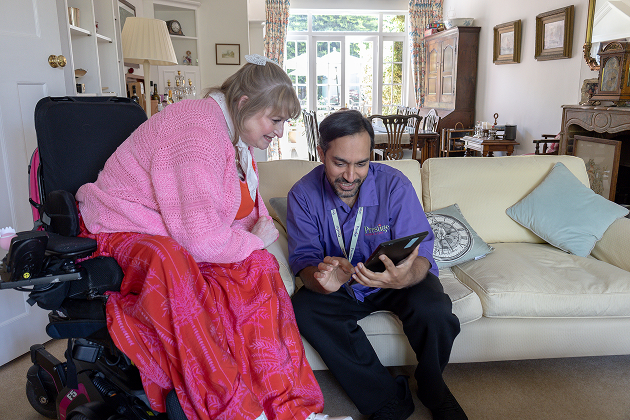
Why choose Prestige Nursing & Care for convalescent care?
Prestige Nursing & Care has provided homecare across England and Scotland for over 80 years. When working with us, you can expect:
- Fully managed care
We provide a fully managed homecare service, giving clients and families ongoing support from experienced local care and clinical teams rather than leaving them to manage the care arrangement themselves.
- Care tailored around you
Your care plan is built around your health needs, routines, preferences and personal goals rather than taking a one-size-fits-all approach.
- Responsive local care teams
With local teams across England and Scotland, we can work with families and healthcare professionals to arrange appropriate support and respond as care needs change.
- Nurse-led clinical support
Our registered nurses provide clinical oversight, assessment, care planning, competency assessment and ongoing support for carers delivering specialist care at home.
- Trained and supported carers
Carers delivering specialist clinical care receive appropriate training and ongoing support, helping them provide care safely and confidently.
- Getting out and staying connected
Care does not have to stop at the front door. We can help you attend appointments, meet friends and family, pursue hobbies or take part in activities within your community.
How much does convalescent care cost?
The cost of convalescent care depends on the amount and type of support required.
Factors can include the frequency and length of visits, total care hours, overnight support and the complexity of your needs.
Before care begins, we will discuss your circumstances and complete an assessment so we can recommend an appropriate care arrangement and explain the associated costs.
Funding may be available in some circumstances depending on your health and care needs, financial situation and location.
Private convalescent homecare is separate from NHS intermediate care. Where someone is assessed as eligible for NHS intermediate care, that specific short-term service is normally provided free for a limited period.
Arranging convalescent care at home
Getting started begins with a conversation.
Contact your local Prestige Nursing & Care team and tell us a little about the support you are looking for. We can explain the options available and discuss the next steps for assessing your individual care needs.
From there, we can develop a care arrangement based around your routines, priorities and the level of assistance you require.