

What is hourly care?
Hourly care, also known as visiting care or domiciliary care, is flexible homecare delivered through scheduled visits at agreed times.
Instead of continuous coverage, visits target key moments when extra support helps most.
Examples of support include:
- Morning personal care and dressing
- Lunch or dinner preparation
- Medication administration or reminders
- Shopping and light housekeeping
- Escorting to appointments or social outings
- Companionship and social interaction
- Evening support and bed routines
How often a carer visits is based entirely on your assessed needs, making hourly care ideal if you manage well overall but require targeted help.


Care that fits around your routine
Hourly home care fits into your life without disrupting your established routines.
Whether you prefer a late breakfast, weekly shopping trips, or regular outings with friends, care is scheduled around your preferences.
Our assessment focuses on identifying when support is beneficial, and schedule timing or frequency can be easily reviewed as needs change.
Who can benefit from hourly care at home?
Hourly care benefits adults with a wide range of needs. It may be suitable if you:
- Need help with personal care or mobility around the home
- Find meal preparation, shopping, or house chores challenging
- Require medication management support
- Value regular companionship or help attending social activities
- Are recovering from illness, surgery, or a hospital stay
- Live with a disability or long-term health condition
- Require extra assistance alongside care provided by family
Recognised by the NHS as a flexible homecare option, hourly care ensures support matches your individual situation rather than just your age or diagnosis.

What can an hourly carer help with?
Carers provide respectful, discreet support tailored to your agreed plan while encouraging you to stay as independent as possible.
- Personal care
Discreet assistance with washing, bathing, dressing, grooming, and continence routines, delivered according to your personal preferences.
- Medication support
Support ranges from simple reminders to full administration by trained carers, aligned with your prescribed schedule.
- Meal preparation
Assistance with preparing meals and drinks, prepping ingredients so you can cook, or ensuring food is available for later in the day.
- Mobility and transfers
Safe assistance with moving around your home, using equipment, and transferring safely, promoting your independence and confidence.
- Household help
Help with daily tasks such as light cleaning, laundry, changing bedding, shopping, and prescription collection to conserve your energy.
- Companionship
Friendly conversation, shared interests, and social connection to reduce isolation for those living alone.
- Getting out and staying connected
Support extends beyond the home. Carers can accompany you to medical appointments, shops, community groups, social visits, or local outings.

How hourly care can work throughout the day
Care visits are scheduled around the exact times you need help most:
- Morning care
Support with getting out of bed, bathing, dressing, medication, and breakfast to start your day comfortably.
- Daytime support
Assistance with lunch, errands, household tasks, appointments, outings, and companionship.
- Evening care
Help with dinner, medication, personal care, changing into nightwear, and securing the home for bed.
You can choose a single daily visit or a combination of times based on your routine, preferences and requirements.
Starting with a small amount of care
Introducing care does not require a large initial package. Hourly care allows you to start gradually, such as a few weekly visits for meals or companionship, or a brief morning routine visit.
This gentle approach eases the transition for you and your family, allowing care to scale up naturally if requirements increase.
Care that can increase or decrease with your needs
Care needs evolve over time. You may require temporary support following an illness or hospital stay, or ongoing visits to manage a long-term condition.
Hourly care gives you the flexibility to adapt visit frequency as your circumstances change, ensuring you always receive the right level of support.
Who can benefit from hourly care at home?
Hourly care complements informal support provided by family members. A morning visit can handle personal care before work, or scheduled weekly visits can give family carers time to rest or attend to personal commitments.
For temporary, full-time coverage during longer family breaks, explore our dedicated respite care service.
Hourly care following a hospital stay
Following a hospital discharge, hourly care provides short-term support with personal care, meals, medication, and mobility to help you regain confidence and independence at home.
For structured discharge or rehabilitation support, visit our dedicated Home from Hospital care page.
Hourly care for long-term conditions
Hourly care supports individuals living with conditions such as dementia, Parkinson’s disease, or stroke. Specialist services can be combined with hourly visits to ensure targeted care for specific health needs.
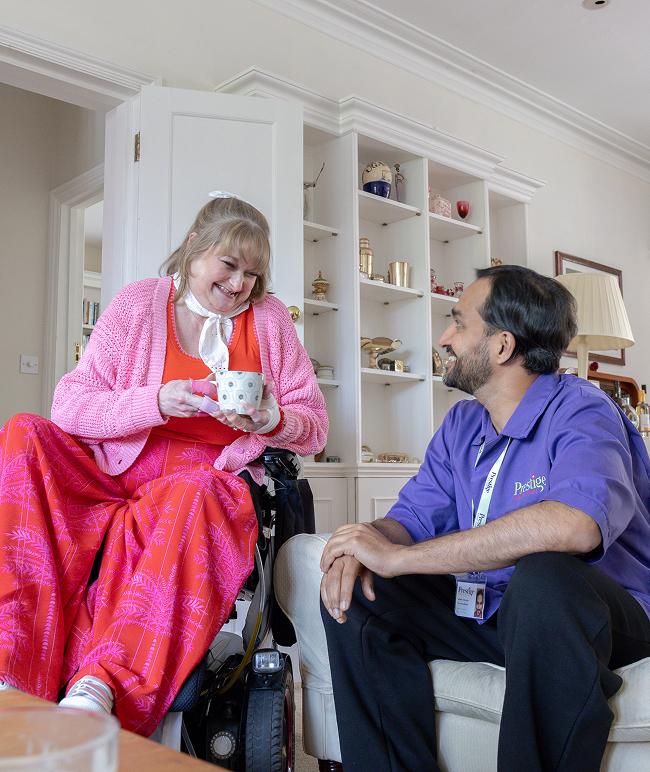

How we arrange hourly care
We focus on understanding your personal requirements rather than selling set hours:
A fully managed hourly care service
Prestige Nursing & Care provides a fully managed service, overseeing carer training, scheduling, and reviews so you do not have to manage employment responsibilities.
In England and Scotland, our regulated services meet strict standards set by the Care Quality Commission (CQC) and Care Inspectorate.
When choosing Prestige Nursing & Care for hourly care, you can expect:
- Over 80 years of trusted homecare experience across England and Scotland
- Personalised visits tailored to individual routines rather than rigid schedules
- Fully managed local support handling coordination, cover, and reviews
- Rigorously trained carers with ongoing professional development
- Flexible care plans that easily adjust to changing health requirements
- Dedicated local teams providing accessible, responsive contact for families

Arranging hourly care at home
Getting started begins with a conversation.
Contact your local Prestige Nursing & Care team and tell us a little about the support you are looking for. We can explain the options available and discuss the next steps for assessing your individual care needs.
From there, we can develop a care arrangement based around your routines, priorities and the level of assistance you require.