

What is adult complex care?
Complex care is specialist support for adults with substantial or interconnected health needs. It may be appropriate following a serious injury or for someone living with a neurological, progressive, long-term or life-limiting condition.
A complex care package can combine everyday support with clinical interventions. What makes someone’s care complex is not simply their diagnosis but the level of expertise and coordination their needs require.


Conditions we support
Complex care may support adults living with:
- Acquired brain injury
- Spinal cord injury
- Cerebral palsy
- Motor neurone disease
- Multiple sclerosis
- Muscular dystrophy
- Parkinson’s disease
- Stroke
- Neurological conditions
- Complex physical disabilities
- Life-limiting conditions
Prestige Nursing & Care currently provides condition-led care across these and other areas.
However, a diagnosis alone does not determine whether someone requires complex care. We assess the individual’s overall health, clinical interventions, risks and support needs before recommending an appropriate care arrangement.
Nurse-led care at home
Clinical oversight is central to our complex care service. Registered nurses can assess needs, contribute to care planning and oversee carers delivering specialist support.
Where appropriate, clinical tasks may be delegated to carers who have received relevant training and have been assessed as competent. This allows many people to receive specialist care at home without every element needing to be delivered directly by a nurse.

Clinical care and interventions at home
Following an individual assessment, appropriately trained carers or nurses may provide a range of clinical support as part of a personalised complex care plan.
Complex care built around the individual
Clinical safety is essential, but effective complex care involves more than managing healthcare interventions.
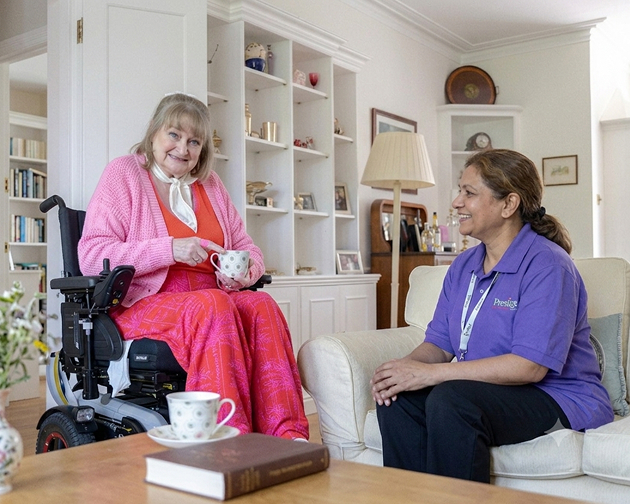
We take time to understand the person receiving care: how they want to spend their day, what gives them independence, their preferred routines, the people who are important to them and what they want their care to help them achieve.
The result is a care package that considers both clinical requirements and quality of life.
For one person, that might mean having the support needed to return to work or education. For another, it could mean being able to spend more time with their family, participate in their community or simply regain privacy and control after a prolonged period in hospital.

Assessment and complex care planning
Every complex care package begins with a detailed assessment. The assessment helps us understand:
- Current clinical needs and interventions
- Medication requirements
- Mobility and moving-and-handling needs
- Nutrition and hydration
- Communication requirements
- Risks and contingency planning
- Personal care needs
- Emotional and psychological wellbeing
- Daily routines and preferences
- Personal goals and desired outcomes
- Family involvement
- Other healthcare professionals involved in care
From this, an individual care plan can be developed that sets out both how care should be delivered and the outcomes it is intended to support.
Rehabilitation, reablement and enablement
Complex care can also form part of an individual’s longer-term recovery or rehabilitation following a serious injury, illness or significant change in health.


Emotional wellbeing and complex care
Living with a serious long-term condition, disability or acquired injury can affect emotional wellbeing as well as physical health.
Our carers provide consistent day-to-day support and take time to build trusting relationships with the people they care for.
Where specialist mental health or behavioural support is required, complex care can be coordinated alongside the appropriate healthcare professionals involved in the person’s treatment.
This allows emotional wellbeing, communication, behaviour and social needs to be considered alongside physical and clinical requirements.
How adult complex care can be provided
The structure of a complex care package depends on the level and timing of support required.
- Visiting complex care
Where clinical support is required at particular times of the day, visits can be arranged around the individual’s assessed needs and established routines.
- Extended or 24-hour care
People with substantial or continuous clinical needs may require care across longer periods of the day or throughout a 24-hour period, delivered by an appropriate team working across shifts.
- Respite complex care
Short-term complex care can provide continuity when an individual’s usual care arrangement temporarily changes or when a family carer requires a break.
The appropriate model will be determined through assessment rather than applying a standard care package to everyone.

Case study
Giving Chris his life back with complex care at home
Chris has been living with muscular dystrophy for many years. Recently his lung collapsed and following a tracheostomy, he required 24-hour care. Chris was determined to return home from hospital and live as independently as possible.
His critical medical condition gave him bouts of anxiety that impacted how he felt, so he needed to trust his care team. He worried about the loss of personal space from 24-hour adult complex care arrangement, so it was key that Chris and his carers got on well, so they could be honest with each other about the level of care he wanted.
How much does adult complex care cost?
Complex care costs vary because every care package is different.
The overall cost will depend on factors such as the number of care hours required, whether support is needed overnight or throughout a 24-hour period, the clinical complexity of the package and the number of carers required.
Following a comprehensive assessment, our team can recommend an appropriate care arrangement and explain the associated costs.
Some adults with substantial ongoing healthcare needs may be eligible for NHS Continuing Healthcare in England, Wales and Northern Ireland. Eligibility is based on whether someone has a primary health need rather than on a particular diagnosis or condition. In Scotland, this is handled differently through hospital-based complex clinical care.
Funding arrangements vary according to individual circumstances and where in the UK the person lives, so specialist advice should be sought when considering how a complex care package will be funded.
Arranging adult complex care at home
Getting started begins with a conversation.
Contact your local Prestige Nursing & Care team and tell us a little about the support you are looking for. We can explain the options available and discuss the next steps for assessing your individual care needs.
From there, we can develop a care arrangement based around your routines, priorities and the level of assistance you require.