

Blogs

Types of home care visits
Home care visits are when a professional carer provides personalised assistance and support to individuals in the comfort of their own homes. Dropping in for one or more hours a day, once a week or several times a week, home care visits, often called hourly care, provide people with the extra assistance they need to live life independently.
For over 75 years, Prestige Nursing & Care has been trusted by our clients and their families to provide competent and compassionate hourly home care visits. Our care is focused on improving health and overall well-being, and all in the place people love most – their own home….
Discover More
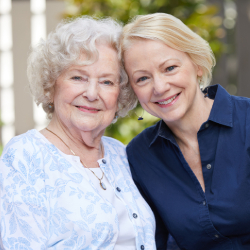
How to become a carer for the elderly
Embarking on a career as a carer for the elderly is a noble and rewarding path. This profession not only offers the opportunity to make a positive impact on the....
How does home care work?
Home care - also known as care at home, empowers people to continue living independently in the comfort of their own homes. An alternative to residential care homes, home care....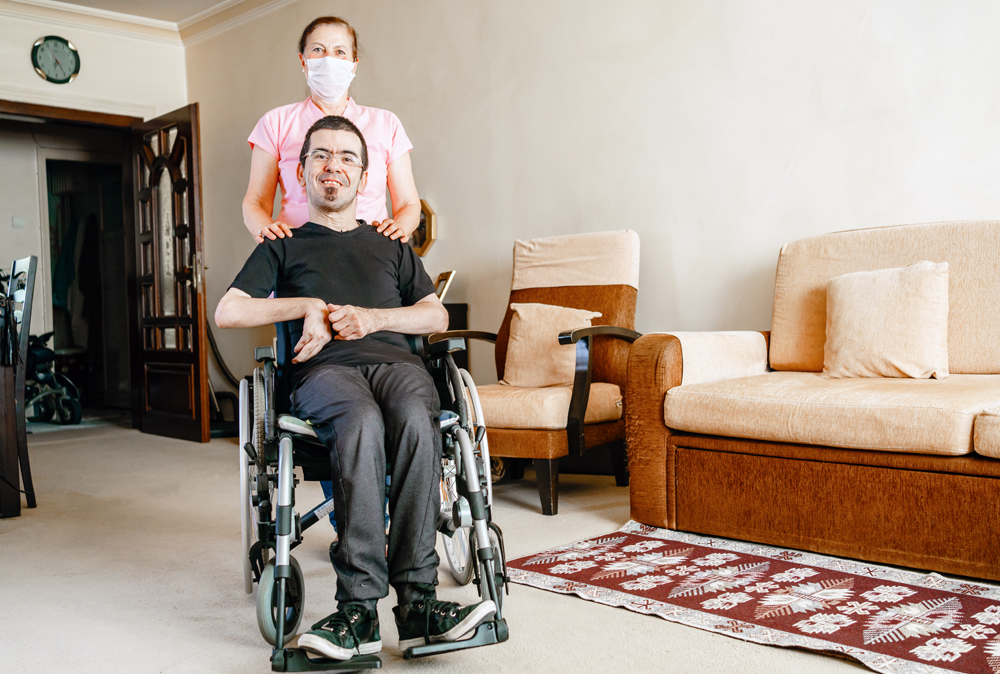
Private Care for Young Adults
Every young adult deserves the opportunity to live with choice and independence. We can support young adults with mobility issues, physical disabilities, mental health conditions or long-term illnesses with highly....How to become a carer for the elderly
Embarking on a career as a carer for the elderly is a noble and rewarding path. This profession not only offers the opportunity to make a positive impact on the lives of others but also allows for personal and professional growth.
Care workers are a lifeline for many elderly people across the UK. Their role goes beyond a job; it is a commitment to making a significant and life-changing difference for both clients and carers themselves. As a professional carer, you become a source of comfort, companionship, and care, contributing to the well-being of those in need….
Discover More
How does home care work?
Home care - also known as care at home, empowers people to continue living independently in the comfort of their own homes. An alternative to residential care homes, home care....
Emergency respite care
Emergencies can disrupt our lives unexpectedly, especially when it comes to caring for our loved ones. In such critical moments, having access to prompt and reliable emergency respite care becomes....
Clinical care at home from the care experts
Clinical care at home is a specialised form of one-to-one care that enables people living with complex health conditions or unique care needs to live well in their own homes.....How does home care work?
Home care – also known as care at home, empowers people to continue living independently in the comfort of their own homes. An alternative to residential care homes, home care is when a professional carer visits a client at home when additional support is needed with day-to-day life.
The services provided by an in home carer are flexible and include assistance with tasks such as getting in and out of bed, washing, mobility support, meal preparation, and cleaning. Whether you require temporary support during a recovery period or long-term care to live life with greater independence and confidence, our home care services can help….
Discover More
Emergency respite care
Emergencies can disrupt our lives unexpectedly, especially when it comes to caring for our loved ones. In such critical moments, having access to prompt and reliable emergency respite care becomes....
Respite care for dementia
Caring for a loved one with dementia is a deeply rewarding yet demanding responsibility. Recognising the challenges that come with this responsibility, many carers benefit from regular respite breaks—a chance....
Clinical care at home from the care experts
Clinical care at home is a specialised form of one-to-one care that enables people living with complex health conditions or unique care needs to live well in their own homes.....Emergency respite care
Emergencies can disrupt our lives unexpectedly, especially when it comes to caring for our loved ones. In such critical moments, having access to prompt and reliable emergency respite care becomes invaluable.
At Prestige Nursing & Care, our emergency respite care service can be put in place quickly, often within 24 hours of your initial call. This ensures your loved ones receive the continuity of care they need to continue living comfortably and independently at home….
Discover More
Respite care for dementia
Caring for a loved one with dementia is a deeply rewarding yet demanding responsibility. Recognising the challenges that come with this responsibility, many carers benefit from regular respite breaks—a chance....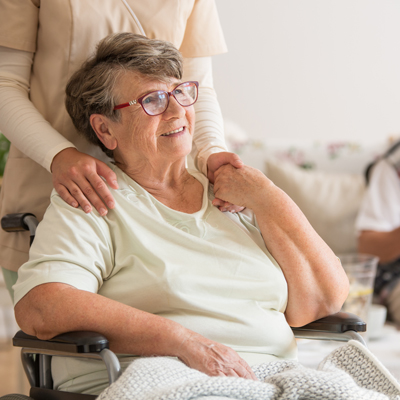
How Long Does Palliative Care Last?
Palliative care is a holistic approach to care focused on keeping people as safe and comfortable as possible throughout their illness. Palliative care can last for a few days or....
How to Keep The Elderly Safe at Home
Many older adults prefer to live independently in their own homes, but this often leaves them at an increased risk of dangerous falls and accidents. Slips and falls are one....Respite care for dementia
Caring for a loved one with dementia is a deeply rewarding yet demanding responsibility. Recognising the challenges that come with this responsibility, many carers benefit from regular respite breaks—a chance to recharge and avoid burnout. Beyond offering carers respite, these breaks provide individuals with dementia opportunities to socialise and connect with new people.
For over 75 years, Prestige Nursing & Care has been trusted by its clients and their families to provide competent and compassionate respite dementia care at home. Our care is focused on improving health and overall well-being, and all in the place people love most – their own home….
Discover More
How Long Does Palliative Care Last?
Palliative care is a holistic approach to care focused on keeping people as safe and comfortable as possible throughout their illness. Palliative care can last for a few days or....
How to Manage Elderly Parent’s Finances
It can be daunting to find yourself in a situation where you have to manage your elderly parent’s finances. Your parents may have looked after you your whole life and....
How to Keep The Elderly Safe at Home
Many older adults prefer to live independently in their own homes, but this often leaves them at an increased risk of dangerous falls and accidents. Slips and falls are one....Brain Injuries and Complex Case Management
At Prestige Nursing & Care, we believe that people living with a brain injury should be able to live a fulfilled and healthy life with the right support in place, tailored to their individual needs.
As an established provider of nurse-led complex care services, we have supported individuals requiring brain injury care to enjoy an improved quality of life in their own homes and communities for over 75 years. We are trusted by families up and down the country to provide care for all of life, evolving the level and type of care we provide to meet changing needs….
Community Nursing Agency
With over 75 years of experience in the care industry, Prestige Nursing & Care is one of the UK’s leading community nursing agencies. We offer a wide range of short-term and long-term community nursing services ranging from last minute shift coverage to providing the highest quality of specialist care for complex care packages.
Our professional carers are vetted and expertly trained by registered nurses to perform practical and clinical care of the highest quality, ensuring the well-being of your residents and clients. We provide flexible staffing solutions designed to seamlessly integrate into your existing healthcare team, providing the support you need, precisely when needed….